 Free download, track your collection

How to Grade Pokémon Cards: A Step-by-Step Guide (2026)
By TCG Vault Team · · 7 min read
Written by the team that builds TCG Vault — how we research these guides.
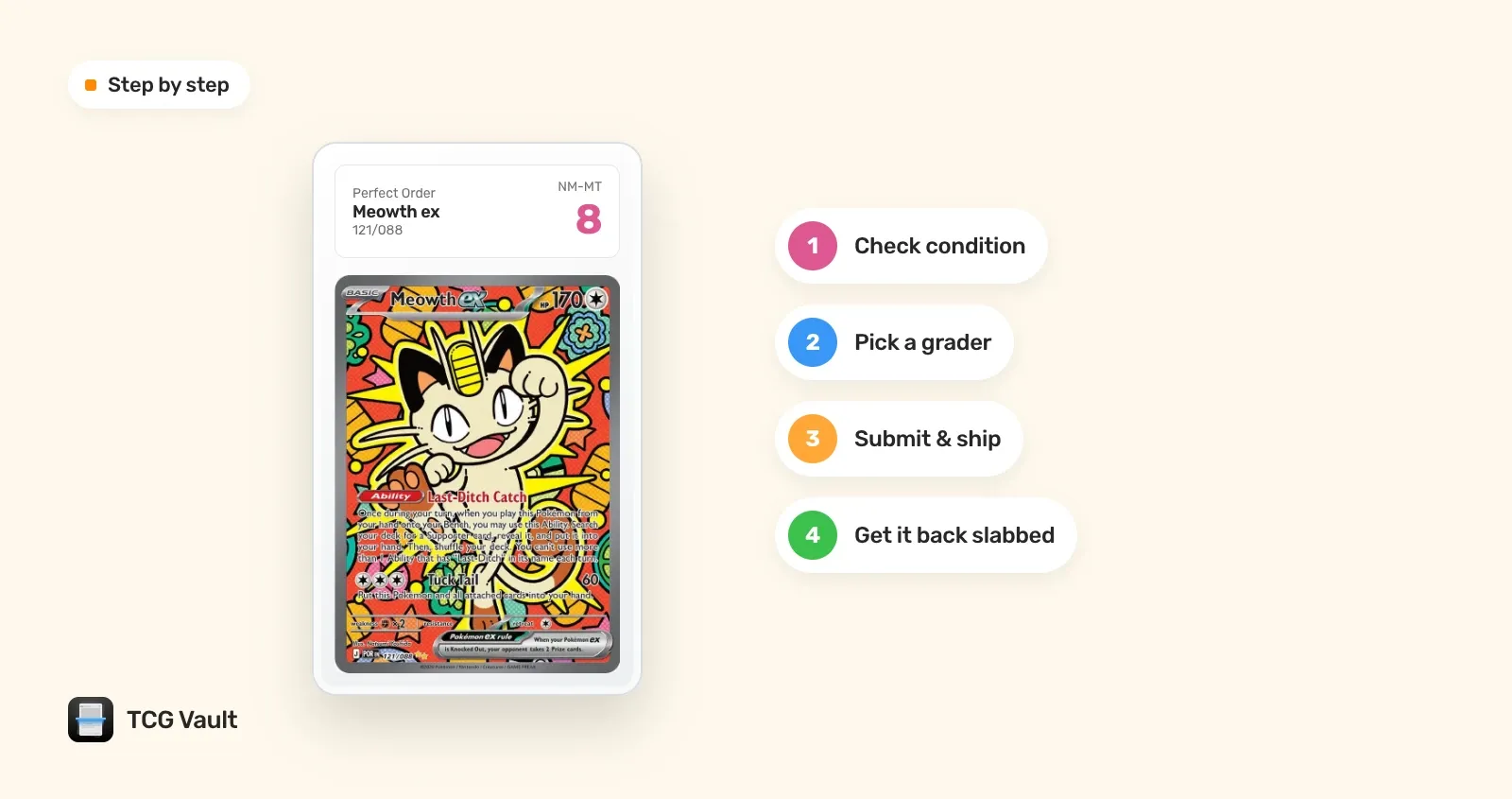
Learning how to grade Pokémon cards takes one afternoon; the waiting takes months. Grading means sending your card to a company that authenticates it, assigns a condition grade from 1 to 10 and seals it in a tamper-evident case. Buyers pay for that certainty, which is why a high grade can add a lot to a card’s price.
This guide covers how to get Pokémon cards graded from start to finish: where to send them, what it costs, how to pack them and how long it takes. Prices and turnaround times come from each company’s own pages, checked between September 15 and 19, 2026. They change often, so confirm them before you submit.
Where to get Pokémon cards graded
This guide covers four graders: PSA, CGC, Beckett (BGS) and TAG. Here’s what each one offered for trading cards in September 2026:
| Company | Tier | Price per card | Max card value | Estimated turnaround |
|---|---|---|---|---|
| PSA | Standard | $59.99 | $1,000 | 90–100 business days |
| PSA | Priority | $79.99 | $1,500 | 70–80 business days |
| PSA | Express | $199 | $2,500 | 20–30 business days |
| CGC | Bulk Economy (25+ cards) | $17 | $500 | 150 business days |
| CGC | Economy | $20 | $500 | 90 business days |
| CGC | Standard | $55 | $3,000 | 10 business days |
| CGC | Express | $100 | $10,000 | 5 business days |
| Beckett | Base (with subgrades) | $17.95 | Not listed | 75+ business days |
| Beckett | Standard | $34.95 | Not listed | 45 business days |
| Beckett | Express | $79.95 | Not listed | 15 business days |
| TAG | Regular tiers paused | – | – | – |
A few things to know about each:
- PSA had paused its cheaper Value and Value Bulk tiers as of September 15, 2026, pointing submitters to its backlog tracker for reopening news. Above Express, Super Express ($349, up to $5,000) and Premier ($599, up to $10,000) cover more valuable cards, with Premium tiers beyond that.
- CGC raised Bulk to $17 and Economy to $20 on March 24, 2026. A free CGC membership gives full submission privileges; paid memberships take 10% or 20% off grading.
- Beckett’s website was offline for maintenance on September 19, 2026. Card grading stayed open through a temporary submission form, with payment requested after Beckett receives your cards.
- TAG showed a banner on its site on September 19, 2026 saying its regular tiers were paused, with limited priority grading available.
Is it worth getting your Pokémon cards graded?
Grading pays only when the graded card is worth clearly more than the raw card plus the fee, shipping and months of waiting. For most cards, it isn’t.
Take a typical chase card. The median Special Illustration Rare from Scarlet & Violet and Mega Evolution sets sells for $34.88 raw in our database (TCGplayer market price, September 19, 2026). At PSA’s cheapest open tier, $59.99, the fee alone is worth more than the card.
At the other end, the tier depends on value. PSA asks you to declare what you expect the card to be worth after grading, and each tier has a cap. A card you expect to be worth $2,000 once graded doesn’t fit Standard ($1,000 cap) or Priority ($1,500 cap), so it goes in Express at $199.
Also be realistic about grades. PSA says about 90% of the modern trading card game cards it has graded since 2018 came back PSA 8 or higher, so an 8 or 9 is common. For a modern card, the real question is usually whether it can be a 10. Our PSA grading cost calculator does the math for your card and tier.
How to grade Pokémon cards step by step
1. Choose the cards worth grading
Look at each candidate under a bright light. Check the corners for whitening, the edges (especially on the back), the surface for scratches and print lines, and the centering. Centering alone can rule out a top grade, so measure it with our card centering checker. If you’re unsure what separates a 9 from a 10, read our guide to the PSA grading scale.
2. Estimate each card’s value after grading
PSA’s own guide suggests looking at what the same card sold for in your expected grade over the past three to six months, using completed eBay sales. That number is your declared value. It decides which tier you need, and it’s also the insured amount.
For the raw value, scan the card with TCG Vault: it shows the current TCGplayer market price in seconds.
3. Pick a company and a service tier
Match the tier to your declared value and your patience. Bulk and economy tiers are cheapest but slowest. If you’re sending 25 or more cards worth under $500 each, CGC’s Bulk Economy is the lowest per-card price in the table above. For one valuable card, compare what copies graded by each company sell for before you choose.
4. Create an account and fill out the submission
PSA requires an account, and you build the order in its online submission center or app. CGC’s free membership is enough to submit. Beckett, while its site is offline, takes submissions through its temporary form and sends a payment link once your order is reviewed. You’ll list each card by year, set, name, number and version, so have those details ready.
5. Prepare and pack your cards
PSA’s getting-started guide asks you to put each card in a penny sleeve and then a semi-rigid card holder. Don’t clean cards with sprays, solutions or wax: PSA can return cards with evidence of cleaning or foreign substances ungraded, under codes N5 and N7, and still charge the fee.
Pack the holders snugly so nothing slides, sandwich the stack between cardboard, and use a sturdy box or padded mailer. Include your submission paperwork.
6. Ship it with tracking and insurance
Use a trackable, insured shipping method. PSA points out that its insurance only begins once your order reaches the “Order Prep” stage, after the cards are received, unpacked and identified, so it doesn’t cover the trip to PSA. Beckett’s form adds an insurance fee of $1.50 per $100 of declared value on shipped submissions.
7. Track the order and wait
PSA, Beckett and TAG all stress that turnaround times are estimates, not guarantees. They’re counted in business days and don’t include shipping, and PSA’s clock starts only once your order has been entered into its grading system.
How long does it take to get Pokémon cards graded?
On the September 2026 estimates, the cheapest tiers take the longest: 150 business days at CGC Bulk Economy, 90 at CGC Economy, 75 or more at Beckett Base and 90 to 100 at PSA Standard. That’s roughly four to seven months, plus shipping both ways.
Paying more buys speed. CGC’s Standard tier estimates 10 business days, and PSA Express 20 to 30. If you’re grading to sell into a hot market, factor the wait into your decision, because prices can move a lot in five months.
Can you get Pokémon cards graded in person?
Yes, in some places. PSA lists drop-off events and shows on its site, along with a directory of PSA authorized dealers. CGC accepts submissions at shows as well as by mail. Beckett takes drop-offs at its Plano, Texas headquarters by appointment and accepts in-person submissions at events where it offers the service.
In-person submission skips the risk of shipping to the grader, which is worth a lot for valuable cards.
What if your card comes back without a grade?
Sometimes a card is returned ungraded with an “N” code. The reasons PSA lists include signs of trimming, restoration or recoloring, altered stock, cleaning, a miscut and questionable authenticity. PSA still charges the grading fee for most of these, but not for undersized cards, miscuts or items it doesn’t grade. Knowing this before you submit is one more reason to inspect every card closely and never try to “improve” one.
Frequently asked questions
Can I get Pokémon cards graded for free?

No. Every major grading company charges per card. The cheapest option we found in September 2026 was CGC's Bulk Economy tier at $17 per card, with a 25-card minimum.
Which grading company is best for Pokémon cards?
It depends on your goal. Compare fees and turnaround, then check what copies of your card graded by each company actually sell for before you choose.
Should I clean my cards before grading?
Don't use sprays, solutions or wax. PSA can refuse to grade cards that show evidence of cleaning or a foreign substance on the surface, and still charge the fee.
Is there a minimum number of cards per submission?
Of the tiers in this guide, only CGC's Bulk Economy lists a minimum, 25 cards. The others are priced per card with no minimum shown on the companies' pricing pages.
Does grading always increase a card's value?
No. It only pays when the graded price beats the raw price plus fees and shipping. A disappointing grade can leave you with a card worth less than you spent in total.
Keep reading
-
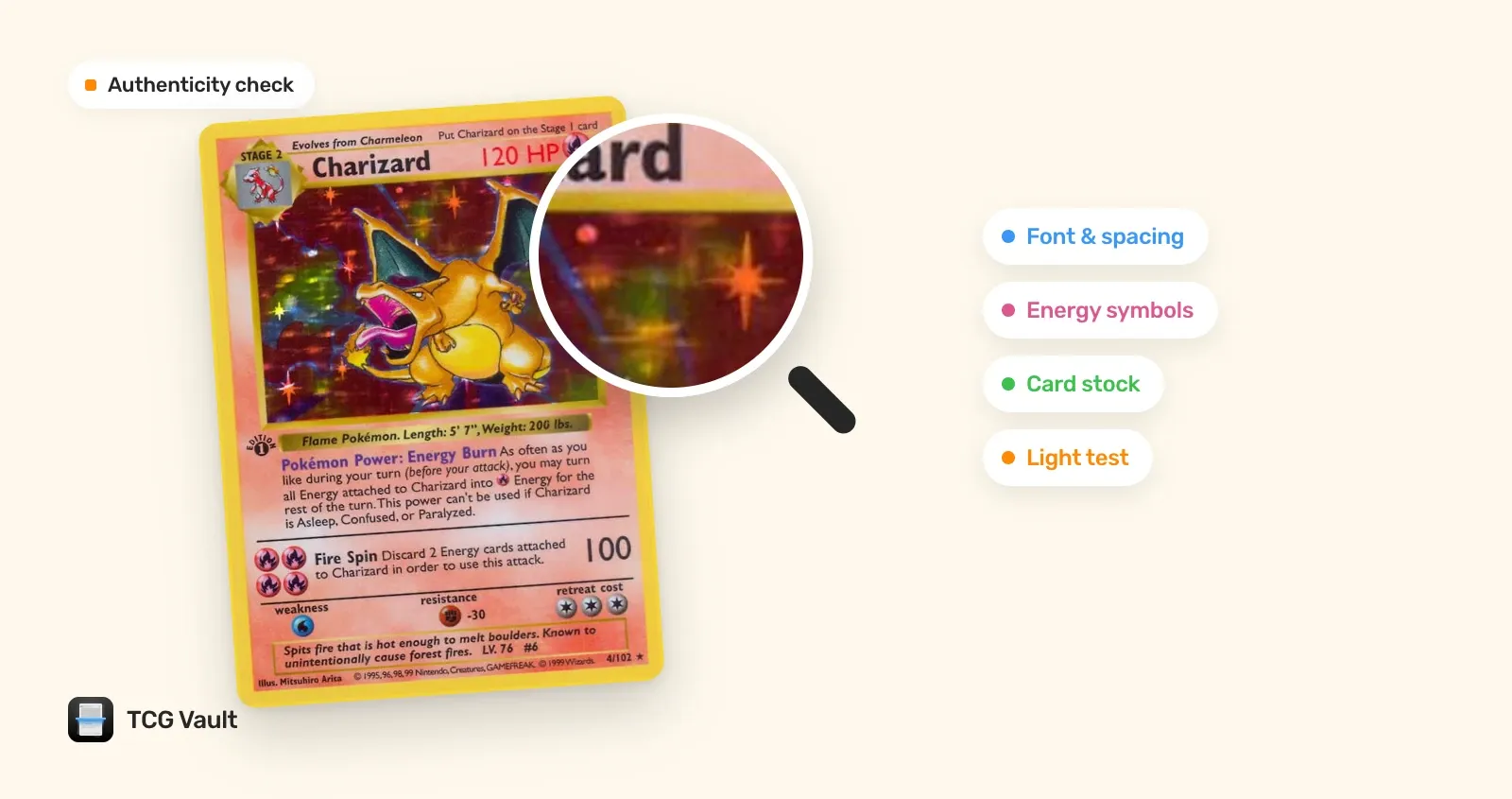
How to Tell If Pokémon Cards Are Fake: 10 Checks That Work
How to tell if Pokémon cards are fake: check the text, energy symbols, card back, holo, feel, size and set number, then the light test. Checklist inside.
-
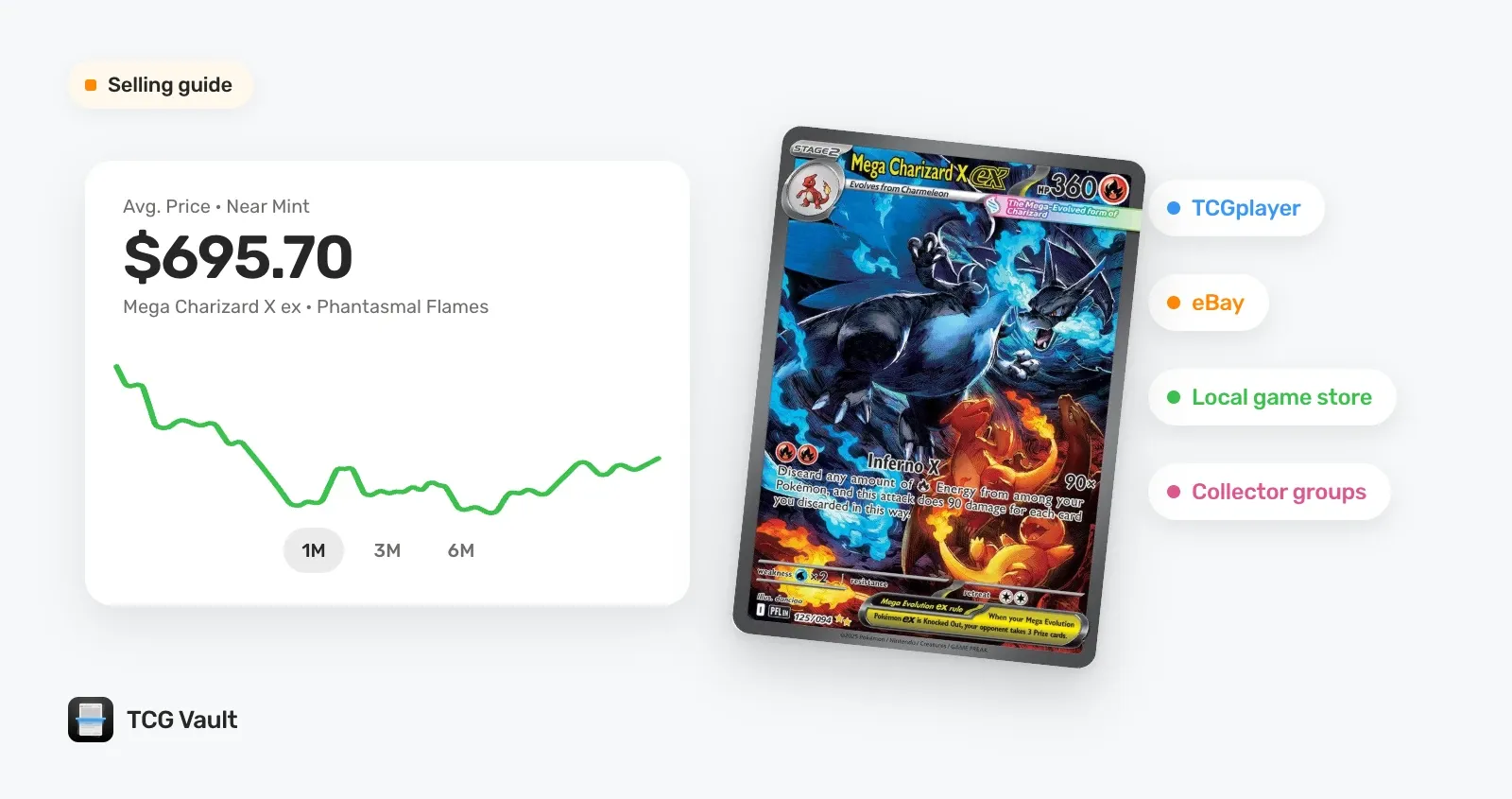
How to Sell Pokémon Cards: Where to Sell and What It Costs
Where to sell Pokémon cards: TCGplayer, eBay, Whatnot, Facebook groups, local stores and card shows, with each option's fees as of September 2026.
Collectors rate us 4.6


See what your cards are really worth.
Scan a card with your iPhone and TCG Vault shows its market price in seconds — then keeps your whole collection’s value up to date.
 Download on iOS